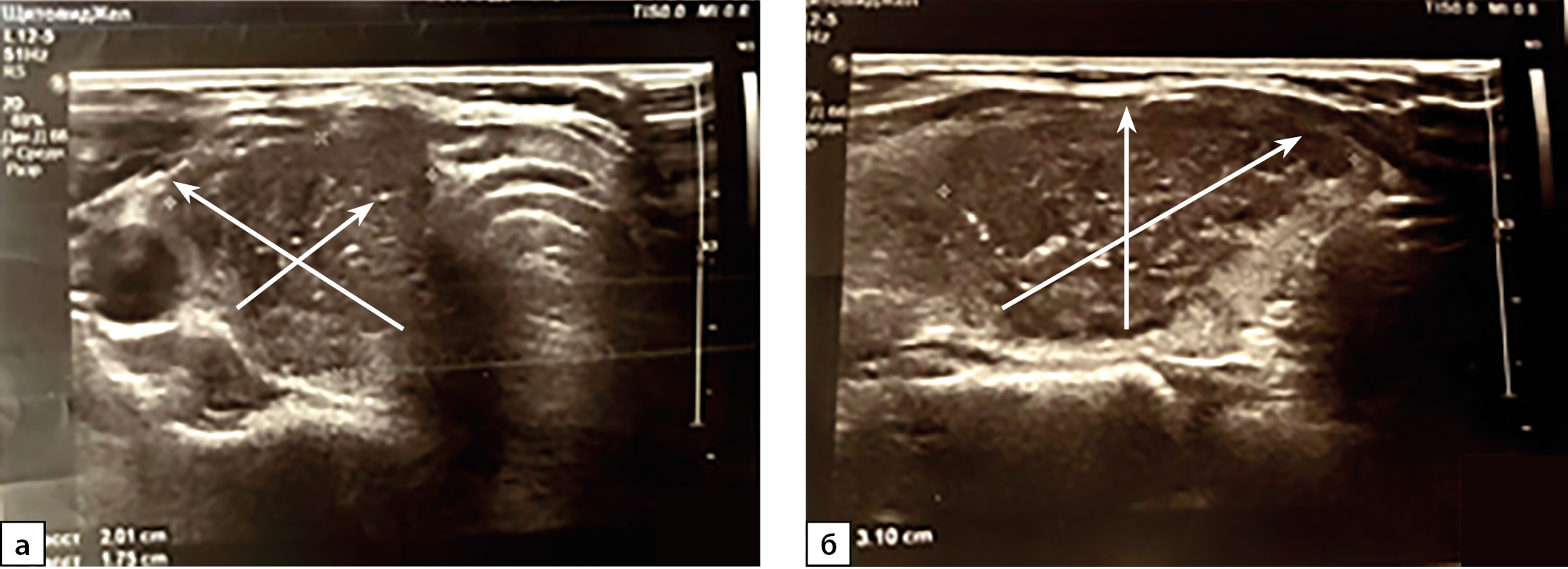
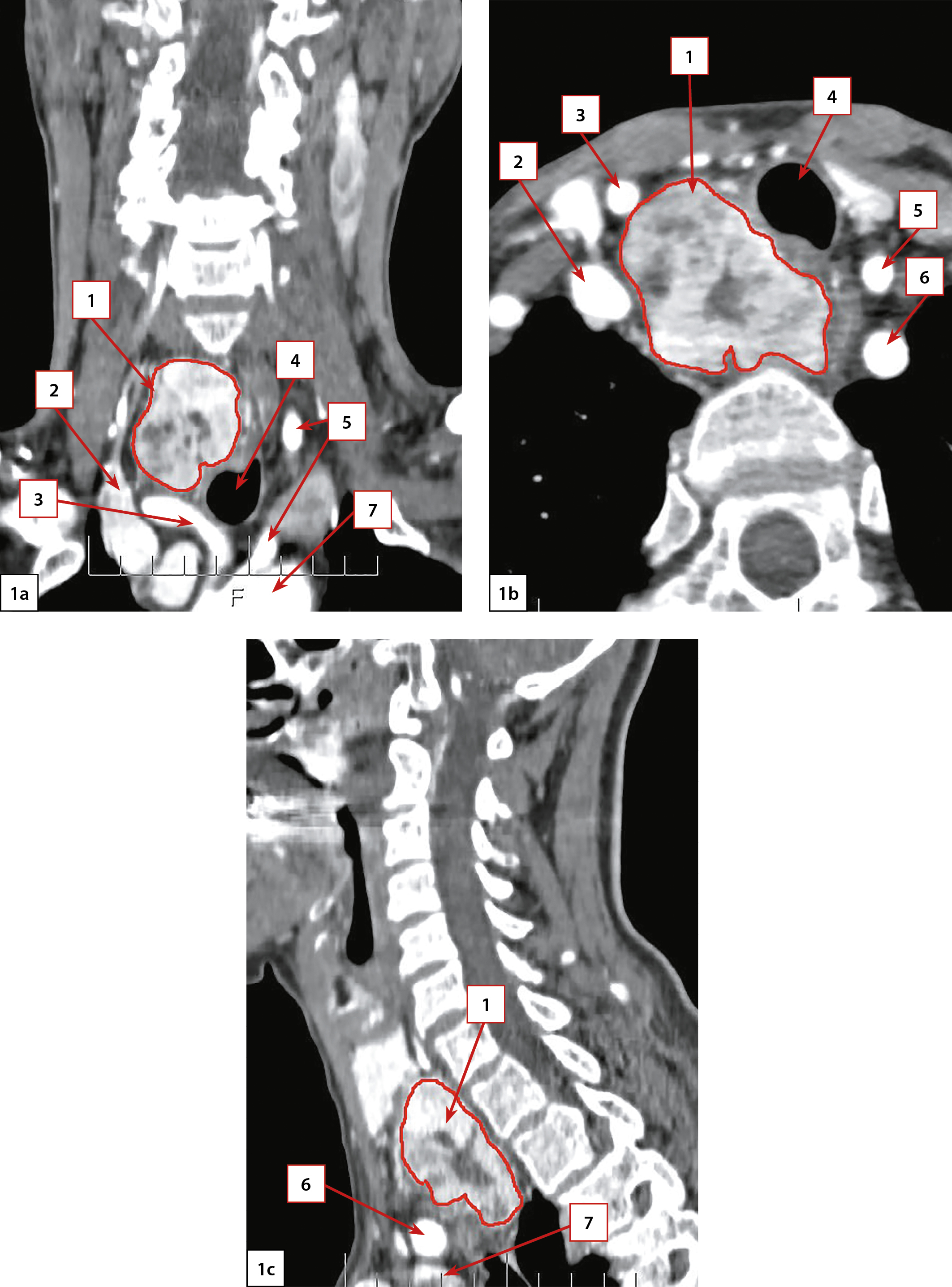
BACKGROUND. A feature of papillary thyroid carcinomas is the frequent lymphogenic spread. First of all, the lymph nodes of the central zone are affected. According to current clinical guidelines, preventive lymphodissection is currently not indicated. At the same time, the detection of "hidden" metastases can lead to a change in the stage of the disease, stratification of the risk group for recurrence, and influence treatment tactics. Our study is aimed at identifying the key factors influencing metastasis to the lymph nodes of the IV neck group. AIM: The study is aimed at identifying key factors influencing metastasis to the lymph nodes of the sixth group of the neck in the initial stages of papillary thyroid cancer.
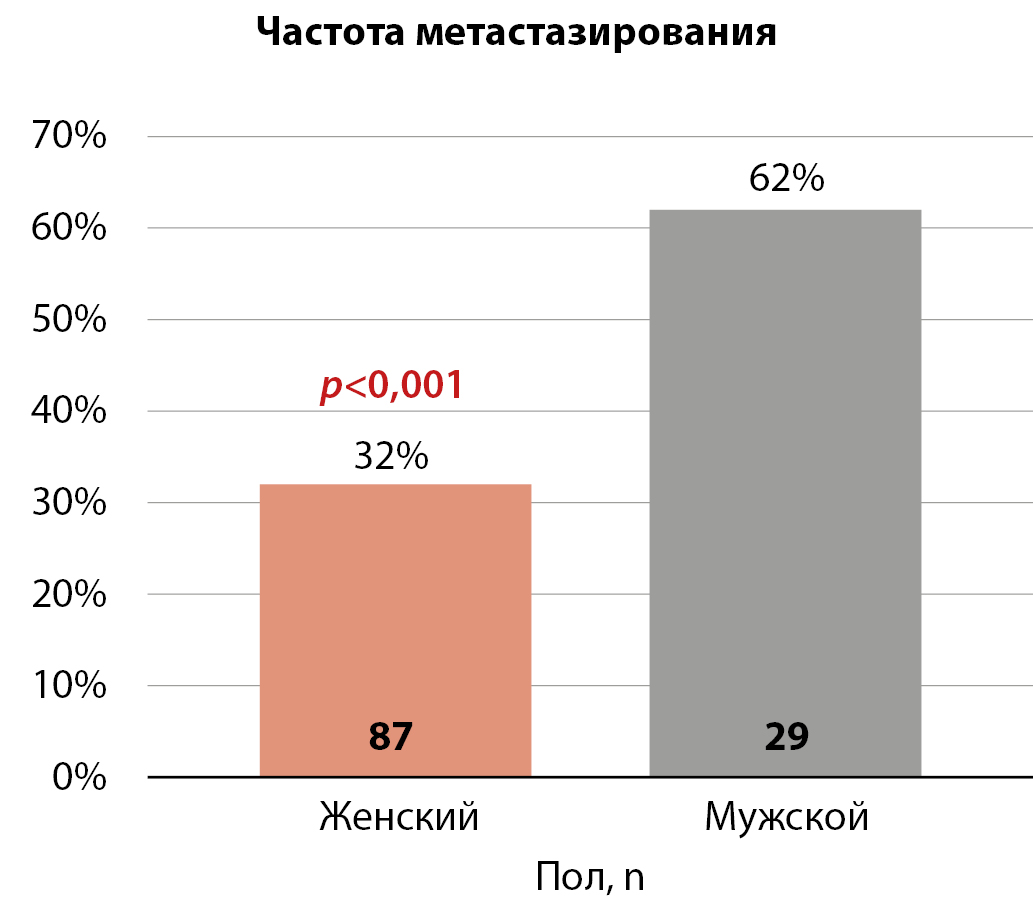
MATERIALS AND METHODS. A single-center uncontrolled study was conducted, including 319 patients with papillary thyroid cancer without clinical signs of regional lymph node metastasis (T1-2N0M0, stage I). All patients underwent thyroidectomy with preventive central cervical lymphodissection. RESULTS. Among 319 patients, a "hidden" metastatic lesion of the lymph nodes of the central zone was found in 36.4%. Multifactorial analysis revealed predictors significantly increasing the risk of metastasis: age <55 years (p=0.008), extrathyroid invasion (p=0.016), male gender (p=0.017), tumor size >1 cm (p=0.026).
CONCLUSIONS. An increased risk of "hidden" central lymph node metastatis in papillary thyroid cancer with cN0, was detected in patients younger than 55 years old, with the presence of extrathyroid invasion, males and tumors larger than 1 cm. These factors should be taken into account when choosing the amount of surgery.